

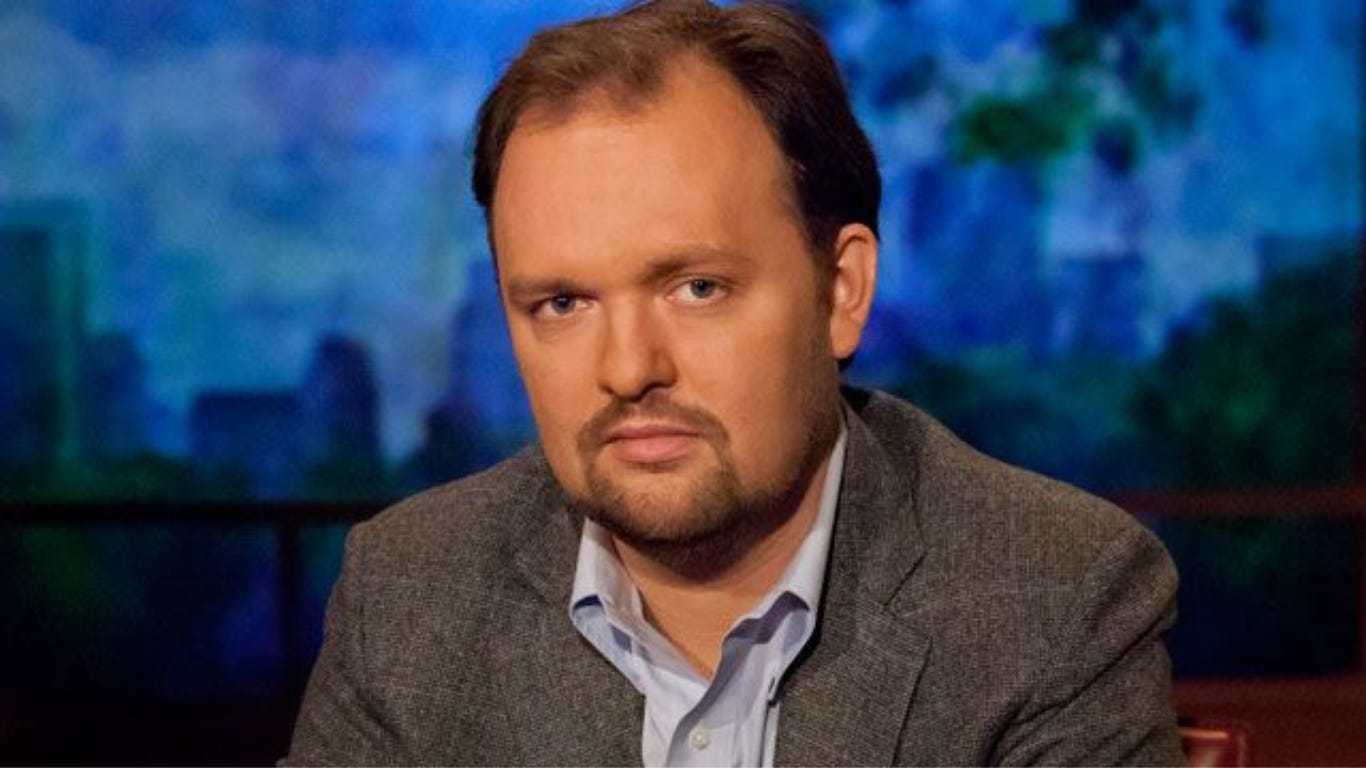
Ross Douthat
In his latest NYT’s op ed titled When Is It Wrong to Use A.I.? Ross Douthat’s basic argument is bracingly realistic: whatever one thinks of AI in principle, the idea that it can simply be stopped at this stage is no longer serious. Too much wealth, infrastructure, institutional dependence, and promised utility are already tied up with it. In that sense, Pope Leo’s refusal to call for some sweeping anti-AI crusade is not weakness. It is an acknowledgment of reality. We are already inside the age of AI, and the urgent question is no longer whether we can avoid dealing with it, but how we will learn to deal with it morally.
Douthat adds a second, equally important point: human societies rarely mobilize decisively against a technology merely because of theoretical warnings. These are basically other words to explain my theory of the irreversibility of technology when it becomes too convenient. Societies usually act only once concrete harms become visible and undeniable.
That is how industrial abuses were addressed, how nuclear fear became politically effective, and how the backlash against children’s smartphone use finally gained force. So while some critics may wish for outright resistance or moratoria, Douthat thinks the more plausible path is incremental regulation, heightened moral awareness, and preparation for the moment when the dangers become unmistakable.
That is Catholic realism. It is pointless to pretend that AI can be extirpated by pious denunciation once convenience, profit, and institutional reliance have already made it pervasive. The Church does not serve truth by ignoring facts. And one of the central facts of history is that convenience is one of the most irresistible forces in human affairs. Once a technology embeds itself deeply enough, moral language has to become more discriminating. The task shifts from saying vaguely that “AI is dangerous” to identifying the concrete ways its use can become degrading, dishonest, or sinful.
That is where Douthat is especially sharp. He argues that critics should not remain at the level of generalized lament. They should name particular abuses plainly. Students using AI to cheat are not merely participating in a troubling trend; they are doing wrong. Writers who secretly outsource their work are not merely adapting; they are deceiving. People who begin treating chatbots as ersatz lovers or companions are not just confused; they are entering morally disordered territory. His point is that if we cannot stop the technological age from arriving, we can still shape the moral categories by which it is judged.
From a Catholic perspective, we are not free to choose whether AI will be part of our world. That choice is already largely behind us. But we are still free to decide whether this technology will be received under the discipline of truth, moral clarity, and human dignity. Pope Leo’s realism is therefore not capitulation. It is the beginning of a harder task: learning how to live in this new world without surrendering to it.