

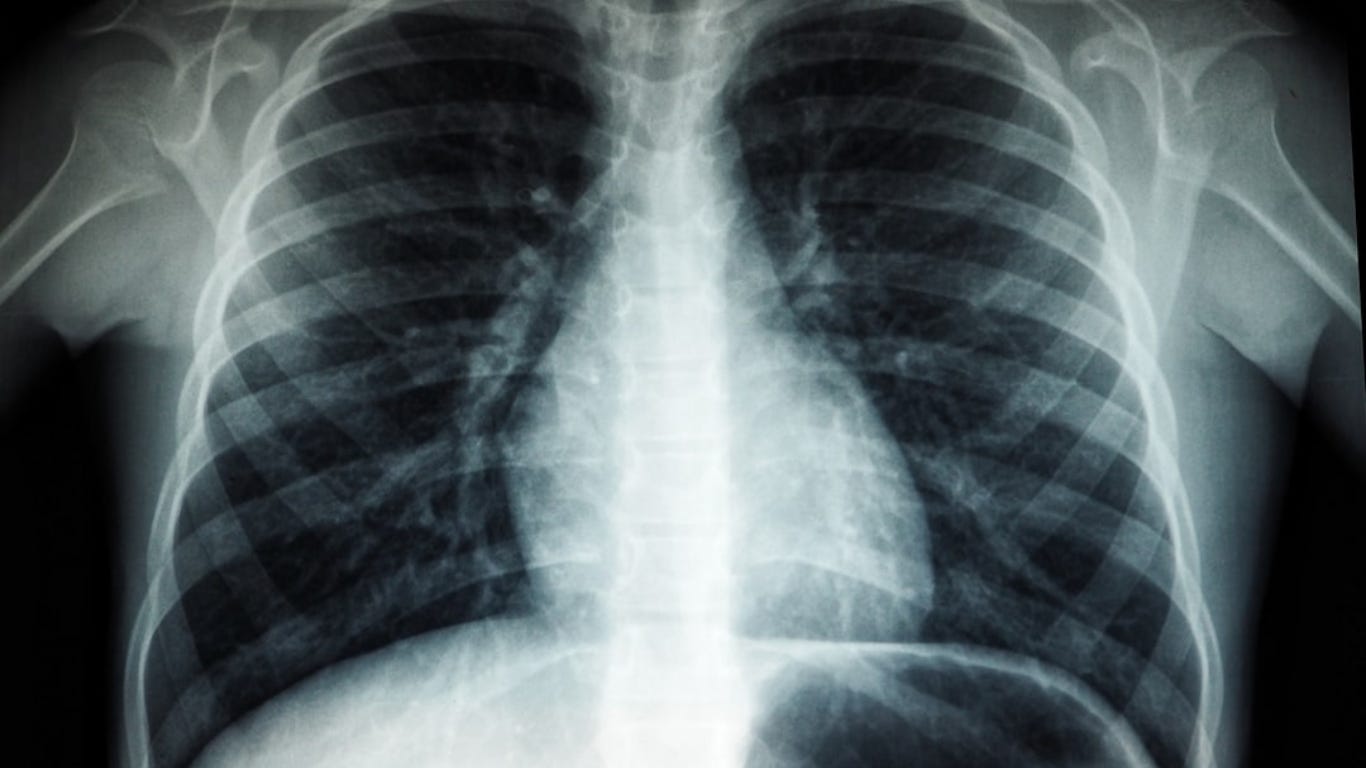
For me, the kind of news shared by Derek Thompson is not abstract. Pancreatic cancer is the disease to which I lost two beloved younger siblings. So when I read that AI may help detect this terrible cancer far earlier than the human eye can, I do not read it as one more tech headline. I read it as a reminder that artificial intelligence, for all its dangers, can also become an instrument of genuine mercy.
Derek Thompson’s piece points to something extraordinary: a Mayo Clinic team reported that an AI system called REDMOD identified subtle signs of future pancreatic cancer in old CT scans with significant accuracy, at a median lead time of 475 days before diagnosis. The article places that result alongside other recent advances, including promising drug results and personalized mRNA vaccine research, as part of a broader shift in the fight against one of the deadliest cancers.
From a Catholic perspective, this is the kind of development that should make us grateful, not fearful. If AI can help physicians see what even the best radiologists cannot yet see, and do so early enough to save lives, then it is serving something deeply human. It is serving the defense of life against suffering, delay, and death.
The moral test, as always, is whether technology remains ordered to the good of the person. Here, at least, one can glimpse what that good may look like: not a machine replacing love, but a tool helping love arrive in time.
That does not erase grief. It does not undo what families have already lost. But it does mean that in the middle of all the justified anxiety surrounding AI, there are also signs of hope serious enough to honor. And if one day this technology helps spare other brothers and sisters from the fate that took mine, that will not be a small victory. It will be a deeply human one.